Moving furniture into an apartment or a high-rise building can be challenging if you don’t prepare properly. The best way to avoid last-minute stress is to plan ahead. Start by measuring all doorways, staircases and elevators to make sure your furniture can pass through easily. It’s also important to figure out where the moving truck can park and speak with the building management to understand any rules or time restrictions for moving day.
Once you’ve taken care of the basics, here are five simple tips that can help make your move smoother and less stressful.
5 Tips for Moving Into an Apartment
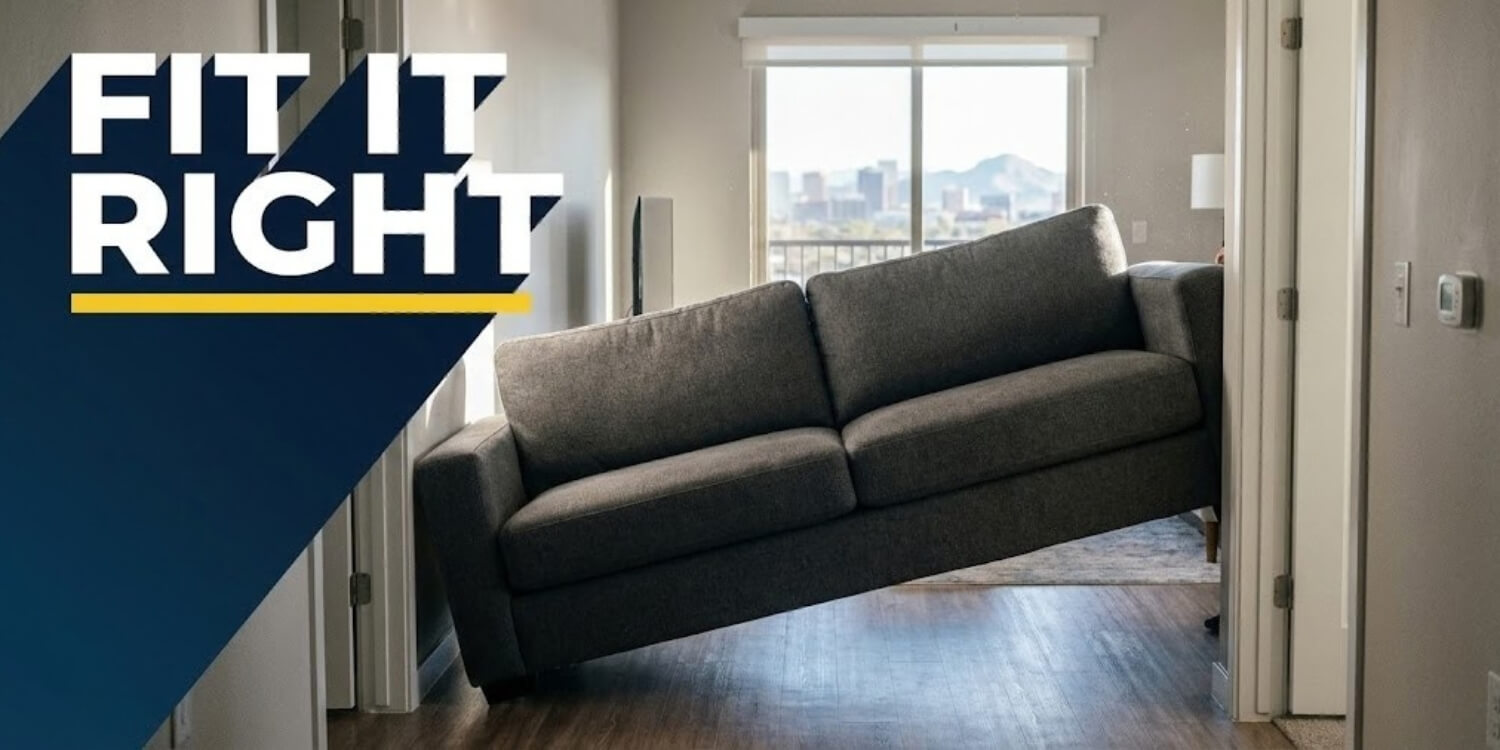
- Measure Everything First – Before you start moving, check the size of your furniture and compare it with the doors, hallways and stairs in your new apartment. This helps you make sure everything will fit properly and saves you from getting stuck halfway through.
- Take Apart Big Furniture – If you have large furniture like a couch or shelves, take them apart before moving. Breaking them down into smaller parts makes them much easier to carry and helps you move them through tight spaces without damage.
- Talk to Building Management – Check with your building office to see if you need to reserve the service or freight elevator in advance. Ask about any moving rules or time limits they have so you don’t face problems on moving day.
- Protect Your Stuff – Wrap your furniture with blankets, pads or protective covers before moving it. This helps prevent scratches and damage to both your belongings and the apartment walls or floors.
- Get Help – Don’t try to handle everything by yourself. Ask a few friends to give you a hand or consider hiring professional movers to take care of the heavy lifting safely.
Plan Ahead
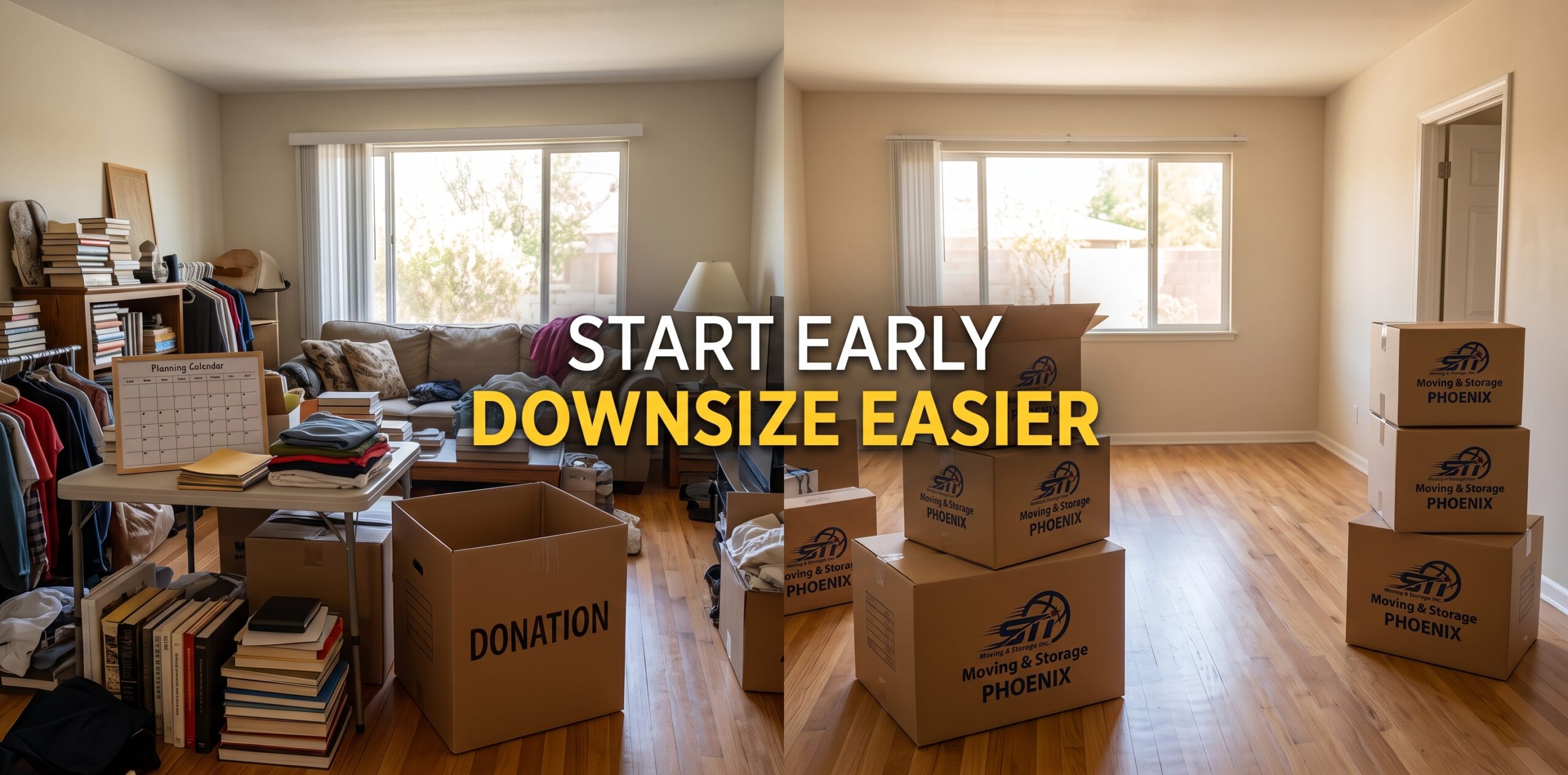
Don’t leave everything for the last moment. Start planning early so you’re not stressed or surprised on moving day. Measure your furniture to be sure it will fit in the new space and figure out where the moving truck can park. Paying attention to these small details can really make the day go much more smoothly.
Where Can You Park the Moving Truck?
Choosing the right place to park the moving truck can make your move much smoother, so it’s best to plan this in advance.
Check the local parking rules and see if there are loading areas close to the building. Speak with the building manager about reserving a space, especially if you need to use the freight elevator. If possible, plan your move during quieter hours when it’s easier to find parking and avoid traffic on moving day.
Disassemble What You Can
Taking apart large furniture before the move can make everything much easier. Smaller pieces are simpler to carry and less likely to get damaged while moving.
Place screws, bolts and other small parts in labeled bags so they don’t get lost. This will also make reassembling your furniture quicker later. If it feels overwhelming, you can always ask professional movers to help with the job.
Measurements Checklist for Moving Furniture Into an Apartment
Before moving day arrives, take some time to measure the key areas in your new apartment. This helps you make sure your furniture will fit properly and saves you from last-minute problems. Here are the main things you should check:
Important Areas to Measure
- Main Door Size: Measure the width and height of your apartment’s main door to make sure big furniture can fit through without any trouble.
- Hallways: Check the width and height of the hallways your furniture will pass through. This helps you avoid getting stuck, especially when turning corners.
- Stairs (if using them): Measure how wide the stairs are and how much space there is above them. Make sure there’s enough room to carry and turn your items safely.
- Elevator (if available): If your building has an elevator, measure the door opening and the inside space, including the height, width and depth. This will help you understand what items can fit inside.
- Room Doorways: Measure every door inside the apartment that your furniture needs to pass through so you don’t face any surprises.
- Ceiling Height in Rooms: Check the ceiling height, especially if you have tall furniture like wardrobes, bookshelves or big cabinets.
- Corner Space: Look at the space around corners and tight turns, especially near doorways, to make sure you can move your furniture through without getting stuck.
Common Furniture Sizes You Should Know Before Moving
Before moving day, it’s a good idea to have a rough idea of the usual sizes of common furniture pieces. Knowing this can help you plan better and understand how your items will fit through doors, hallways and elevators.
Sofas
- Length: Most sofas are usually between 72 and 96 inches long which is the longest side.
- Depth: They are generally around 30 to 40 inches deep from front to back.
- Height: The height is normally between 30 and 36 inches. If the legs can be removed, measure it both with the legs on and off.
Beds
- Headboard Size: For queen or king beds, the headboard is often between 60 and 80 inches wide.
- Frame Length: A queen bed frame is usually about 80 inches long from head to foot.
- Box Spring Height: If your bed includes a box spring, make sure to measure it as well, since it may need to be moved through doorways on its own.
Tables (Dining & Coffee Tables)
- Size: Round tables usually start at around 36 inches in diameter, while long rectangular tables can be as large as 96 inches.
- Height: Most dining tables are about 28 to 30 inches tall.
- Legs: If the legs can be taken off, moving the table becomes much easier.
Dressers & Wardrobes
- Height: Dressers are often around 30 inches high, while wardrobes can be taller than 72 inches.
- Width/Depth: They are generally 18 to 24 inches deep and 36 to 60 inches wide.
- Drawers: Taking out the drawers can make the piece lighter and easier to carry during the move.
Desks
- Width/Depth: Most desks are usually between 40 and 60 inches wide and about 20 to 30 inches deep.
- Height: They are generally around 30 inches tall.
- Legs: If the legs or supports can be removed, it will make the desk much easier to move.
Bookshelves
- Height: Bookshelves are often between 60 and 84 inches tall, depending on how many shelves they have.
- Width/Depth: They are typically around 24 to 48 inches wide and 12 to 18 inches deep.
- Shelves: If the shelves can be taken out, it can help reduce the weight and make moving simpler.
Appliances (If You’re Bringing Them)
- Refrigerator: A standard refrigerator is usually about 30 to 36 inches wide, 67 to 70 inches tall and 29 to 35 inches deep. Make sure to measure yours properly so it can fit through doors and into the kitchen space.
- Washer/Dryer: Each unit is generally around 27 inches wide, 30 inches deep and 38 to 40 inches tall. It’s a good idea to double-check the size so you don’t face any trouble while moving them in.
Tips for Moving Furniture Into a High-Rise
If you’re moving into a high-rise building, first check the building rules about using the elevator. Some buildings ask you to reserve the service or freight elevator in advance, so it’s better to confirm this early.
It’s also a good idea to plan your move during quieter hours, especially if the building is in a busy downtown area. Moving at a less crowded time can help you avoid delays and make the whole process much easier.
Look for High-Rises With Private Elevators
Moving furniture into a high-rise building can be difficult but choosing the right place can make the process much simpler. Try to look for buildings that offer private freight elevators designed for moving heavy or oversized items.
Before moving day, check the elevator’s weight limit, confirm if there is a loading dock available and ask about the approved moving hours.
Can You Reserve the Elevator?
Using a freight elevator can make your move much easier, but you’ll usually need to reserve it in advance.
Freight elevators can be busy, especially during popular moving hours, so it’s smart to book your time early. Also, ask about the building’s moving policies and confirm that the elevator can support the weight of your heavy furniture or appliances.
Coordinate Timing for the Loading Dock
If you’re moving into a high-rise apartment, it’s important to plan when you’ll use the loading dock. Speak with the building manager to learn the dock’s hours and ask if you need to reserve a specific time.
Try to choose a quieter time of day for your move so you don’t face unnecessary delays. Also, check that the way to the dock is clear to make it easier to carry large items. If you have oversized furniture, you may consider hiring professionals who provide hoisting services to move items safely and quickly.
Moving Downtown? Watch Out for Rush Hour
If you’re moving into a high-rise in a downtown area, try not to schedule your move during heavy traffic times. Pick a time when the roads are usually less busy, such as late morning or early afternoon on a weekday. This can help you avoid long delays and make the moving process much easier.
Protect the Elevator Interior
When moving furniture into a high-rise, make sure you protect the elevator from any damage. Cover your furniture with pads or blankets so it doesn’t scratch the walls or doors.
Check the elevator’s weight limit before loading heavy items and make sure the area is clear of anything that could cause problems. Use the right moving equipment to place everything carefully inside and keep it stable while the elevator is in use.
Ask Your Building Manager for Mover Recommendations
To make your move into a high-rise smoother, speak with your building manager and ask if they can suggest reliable movers. They often know companies that are familiar with the building and understand how to handle things like reserving the elevator.
Their guidance can also help you follow the building’s moving rules properly, so you can avoid issues and move into your new home without unnecessary stress.
Tips for Moving Furniture Into Apartments Without Elevators
Moving into an apartment that doesn’t have an elevator can be challenging but with some planning, the process can become much easier and more manageable.
Take Apart Big or Heavy Furniture
If you’re carrying heavy or large furniture upstairs, it’s a good idea to take it apart first. Separate pieces like sofas or bed frames so they are easier to handle and move.
Use tools such as furniture dollies to roll items instead of lifting them whenever possible. Lifting straps can also help keep everything balanced and safer while you move it.
Make Sure You Have Plenty of Help
If your apartment building doesn’t have an elevator, it’s really important to have enough people to help. Ask friends or family members to assist you with the heavy lifting.
Before you begin, talk through the plan so everyone understands their role and there’s no confusion. When lifting, bend your knees and keep your back straight to reduce the risk of injury. With proper teamwork and safe lifting habits, the move will feel much easier and more organized.
Use Stair Rollers & Shoulder Dollies
Carrying heavy furniture up and down stairs can be very difficult but the right tools can make a big difference. Stair rollers help grip each step and allow you to move heavy items with less strain.
Shoulder dollies help spread the weight more evenly which reduces pressure on your back. Always secure your items with moving straps, and make sure you and your helper move together and stay coordinated to prevent injuries.
Experience a Smooth Move
Whether you’re moving into a high-rise building or a small apartment, bringing your furniture inside requires planning and working together.
Make the process easier by measuring doorways and rooms in advance, taking apart large furniture, and using proper moving tools. Speak with the building manager about any moving rules and be sure you have enough help on the day of the move.
By following these simple steps, your move can feel more organized and much less stressful.