When moving a long distance, it’s important to carefully consider what you truly need to take with you. Some items, such as bulky furniture, old electronics, perishable goods, low-value clothing and expired household products, can end up causing more hassle than they’re worth. By deciding what to leave behind, you can reduce your moving costs, simplify the process and make more room for the things that truly matter. With the support of professional moving services like STI Movers, you can stay focused on what’s most important—settling comfortably into your new home.
Bulky Furniture
Large furniture can create significant challenges during a long-distance move. Not only does it require special handling but it also increases transportation costs and can pose safety risks if it is not secured properly. When deciding whether to move a piece of furniture, consider its age, condition and sentimental value compared to the cost of replacing it.
Older furniture that is already showing signs of wear may not hold up well during a long-distance move. If a piece has sentimental value, it may still be worth bringing with you. However, furniture that you no longer use or care much about may be better sold, donated or left behind. Doing so can reduce moving costs, make the process easier and give you a chance to furnish your new home with items that better suit your current needs.
Outdated Electronics
Old electronics are another type of item that may not be worth taking with you during a long-distance move. Many older devices have limited use and may not work well with newer technology, making them less practical to transport. Some items you may want to leave behind include:
- CRT Televisions: These older TVs are large, heavy and take up a lot of space. They also don’t offer the picture quality that newer flat-screen TVs provide.
- Old Desktop Computers: Older computers can be slow and may struggle to run current software, making them less useful for everyday needs.
- VHS Players: Since most people now watch content through streaming services, VHS players are rarely used. It can also be difficult to find working VHS tapes.
Leaving these items behind can help reduce moving expenses and free up space in your new home for things you’ll actually use.
Perishable Items
Moving perishable items such as food, plants and fresh flowers over a long distance can be difficult. These items often need special care and the right conditions to stay fresh, which can make them hard to transport during a long distance move.
Refrigerated food can go bad quickly during a long move which may lead to waste and food safety concerns. Plants can also struggle while in transit, especially if they do not get enough sunlight, water or stable temperatures. In some cases, they may become damaged or fail to survive the trip. Fresh flowers are just as delicate and can wilt easily before reaching your new home. For many people, using up, donating or disposing of perishable items before moving is a simpler and more practical choice.
Low-Value Clothing
As you sort through your clothes before a long-distance move, it’s worth considering whether every item is worth packing and transporting. Some clothing can be inexpensive to replace and may not justify the extra space they take up. Examples include:
- Basic T-Shirts: Everyday T-shirts that are easy to find and affordable to replace.
- Worn-Out Jeans: Jeans that are heavily worn, damaged or no longer comfortable to wear.
- Faded Sweaters: Sweaters that have stretched, faded or lost their original look over time.
Donating or recycling these items can make packing easier and leave more room for the belongings you truly want to keep.
Expired Household Goods
Expired household items, including spices, canned food, medications, and cleaning supplies, are usually not worth taking with you during a long-distance move. As these products age, they can lose their quality, become less effective or in some cases, no longer be safe to use. Moving them also adds extra weight to your shipment without much benefit.
For example, old spices may no longer have much flavor, and expired canned foods may not be safe to eat. Medications can become less effective after their expiration date, while some cleaning products may not work as well as they once did. Checking these items before your move and disposing of anything expired can help reduce clutter and make packing a little easier.
Before moving, take some time to check expiration dates and get rid of anything that is no longer safe or useful. This can help you start fresh in your new home with household items you can actually use and rely on.
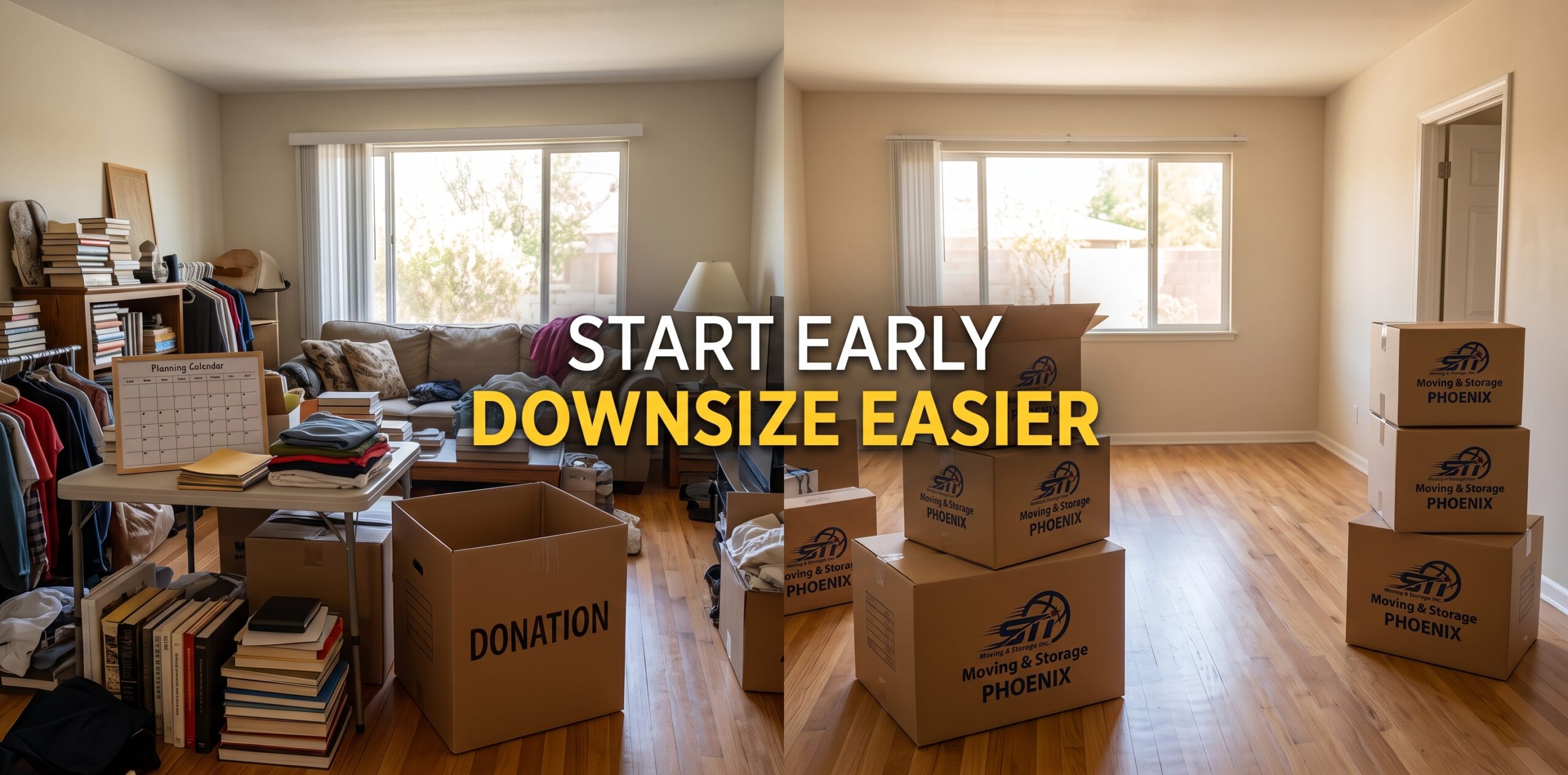
Being selective about what you bring with you can reduce moving costs, make packing easier and help you settle into a more organized and comfortable living space.