
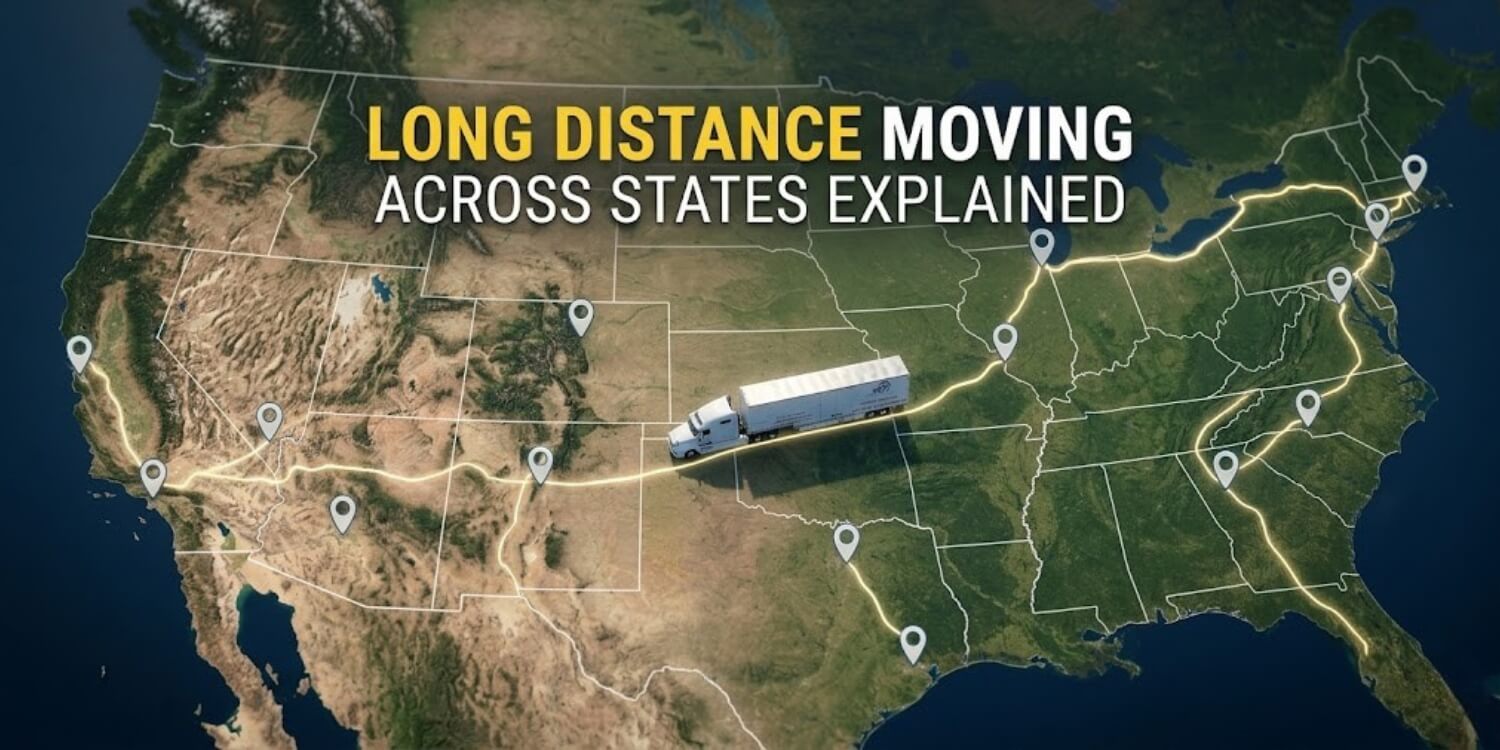
It’s a great time to live in Phoenix. With the economy growing and major companies expanding here, more people and families are choosing to move to the area using professional long-distance moving services. Many of these moves happen across state lines, which is known as interstate moving and people often wonder how it’s different from a regular local move. In this guide, we’ll take a simple look at these differences from the point of view of experienced professional movers.
How Do You Define an Interstate Move?
Interstate moving means moving from one state to another, where your household items, personal belongings and furniture are transported across state lines. Unlike local moves that stay within one city or area, interstate moves cover a much longer distance and usually need more planning, coordination and legal steps. In this article from reliable Phoenix movers, we’ll go over the main parts of interstate moving, including how the process works, what it may cost and the important things you should keep in mind.
What Is Interstate Moving and How It Differs From Local Moves
An interstate move means moving from one state to another. For example, moving from California to Texas or from Florida to New York is considered an interstate move. It is different from a local move, which stays within the same state and from an international move, which involves moving between countries. Interstate moves have their own logistics and rules because they involve crossing state lines.
The main difference between local and interstate moves comes down to distance and the rules involved. In an interstate move, you may have to handle extra permits, more detailed insurance options and longer travel times.
Step-by-Step Interstate Moving Process
Now that you know what interstate moves are and how they differ from local moves, let’s go over the main steps involved. Even a long-distance move within the same state may require professional movers. But when you’re moving across state lines, there are several important steps to follow to make sure your belongings are moved safely and efficiently. Here is a simple overview of how the process usually works.
- Get Quotes From Moving Companies – The first step in an interstate move is to contact moving companies and ask for quotes. Be sure to provide clear details, such as the size of your home, how much you need to move and the distance between your current place and your new one. Many moving companies also offer in-home or virtual surveys to give you a more accurate estimate.
- Choose the Right Moving Company – Interstate moving means you need a company that has experience with long-distance moves. Look for a licensed and insured mover that specializes in interstate relocations. These companies must be registered with the Federal Motor Carrier Safety Administration (FMCSA) to legally move goods across state lines. Make sure to check reviews and ratings, and confirm that the company is trustworthy and reliable.
- Packing and Preparation – Packing for an interstate move needs careful planning. You may want to hire professional packers, as they can make sure fragile items are packed properly and protected during the long trip. Packing in an organized way can also help lower costs by reducing the space your belongings take up in the moving truck.
- Loading and Transporting – Once your belongings are packed, the moving company will load everything onto a truck and start transporting it to your new home. Depending on the distance and the route, the journey may take several days. Interstate movers are familiar with the logistics of long-distance moves, including planning the route, managing fuel and following all required regulations.
- Unloading and Delivery – When your belongings reach your new home, the moving company will unload them. Depending on your agreement, you may also choose to get help with unloading or handle it on your own. Delivery times can vary, so you may need to coordinate with the moving company to set a suitable time.
How Much Does an Interstate Move Cost
The cost of an interstate move can vary depending on several factors. In general, it is more expensive than a local move because of the longer distance, added logistics and extra work involved. Some main factors that affect the cost of an interstate move include the following.
- Distance – The longer the distance, the higher the cost. For example, a move from California to Nevada may cost much less than a move from California to Florida because of the longer travel time and greater distance.
- Size and Weight of Your Belongings – Interstate moving companies usually base their charges on the weight of your items and the space they take up in the truck. The more you have to move, the higher the cost will be. Reducing your belongings by decluttering before the move can help bring the overall cost down.
- Packing Services – If you choose to hire professional packers, it will increase the total cost of your move. However, the extra convenience and the reduced risk of damage can make the added cost worth it.
- Additional Services – Services like storage (if your items need to be kept somewhere for a while), special handling for fragile or valuable belongings or temporary accommodation during the move can also increase the overall cost. Make sure to discuss these options with the moving company.
- Time of Year – Moving during busy seasons, like the summer months, usually costs more because of higher demand. If you can, try to plan your move during the off-season, such as fall or winter, to save money.
Legal and Regulatory Considerations for Interstate Moving
Trusted interstate movers have the proper registrations, permits and insurance needed to run their business and move household items across state lines. This helps keep your belongings protected. Interstate moving also follows certain legal and regulatory rules which can be different from local moves. Here are some important things to keep in mind for interstate moving.
- FMCSA Registration – Moving companies that transport goods across state lines must be registered with the Federal Motor Carrier Safety Administration (FMCSA). This government agency makes sure that moving companies follow safety rules and regulations for interstate travel.
- Insurance – Moving across state lines comes with higher risks, so it’s important to have the right insurance for your belongings. Interstate movers are required by law to provide basic coverage but you may want to add extra protection for high-value items. Make sure to discuss your insurance options with the moving company before signing the contract.
- Customs and State Laws – Some states have specific rules about moving certain items, like plants, animals or hazardous materials. It’s important to check with your moving company to see if any special permits or restrictions apply to the things you plan to move.
Interstate Moving Tips for a Smooth Transition
Even though interstate moving can be more complicated than a local move, there are a few simple ways to make the process easier and help your move go more smoothly.
- Plan Ahead – Interstate moves need more time to plan. It’s best to start getting ready at least 8–12 weeks before your move. This gives you enough time to research moving companies, get quotes and make all the necessary arrangements.
- Declutter Before You Move – Reducing the number of things you need to move can help you save both time and money. Take some time to donate or sell items you no longer need and only keep what’s important for your new home.
- Label Your Boxes Clearly – Label each box with what’s inside and which room it belongs to. This will make unpacking in your new home quicker and much easier.
- Stay Flexible with Dates – Interstate moving can sometimes get delayed because of weather, road conditions or other unexpected issues. Be ready for possible delays and try to keep your schedule flexible so you can adjust if plans change.
- Check for State-Specific Moving Regulations – Each state has its own rules for moving, including things like toll roads, weight limits and fuel requirements. Make sure you understand any state-specific regulations that could affect your move.

Careful Plans & Informed Choices Make Great Interstate Moves
Interstate moving can be a complicated and time-consuming process but with proper planning and the right support, it can go smoothly and successfully. Whether you’re moving a short distance or across the country, the key is choosing the right moving company, understanding the costs involved and following the required legal rules. By planning ahead and staying organized, you can make your move to a new home easier and stress-free, no matter how far you’re going.
Call Phoenix Top Choice for Long-Distance Interstate Moves
You don’t have to handle your interstate or intrastate move on your own. Having an experienced and reliable team with you can make the whole process much easier and STI Moving & Storage is here to help. If you’re planning a long-distance move from Arizona to any state in the country, we’ve got you covered. Call us today at 888-449-1223 or schedule your free quote online.